Understanding Ciclismo su Strada Basics
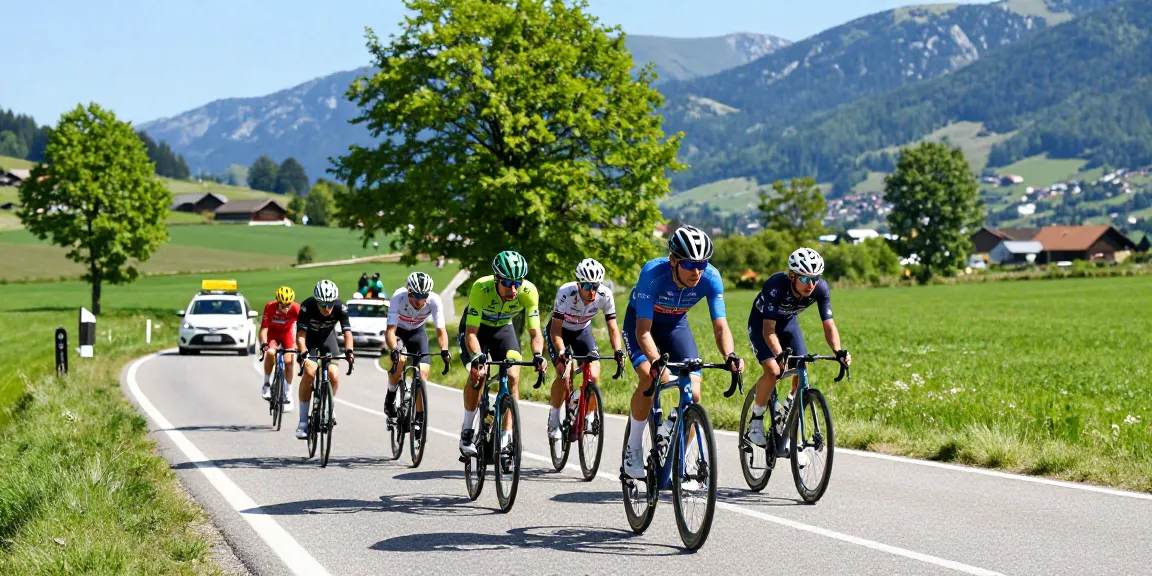
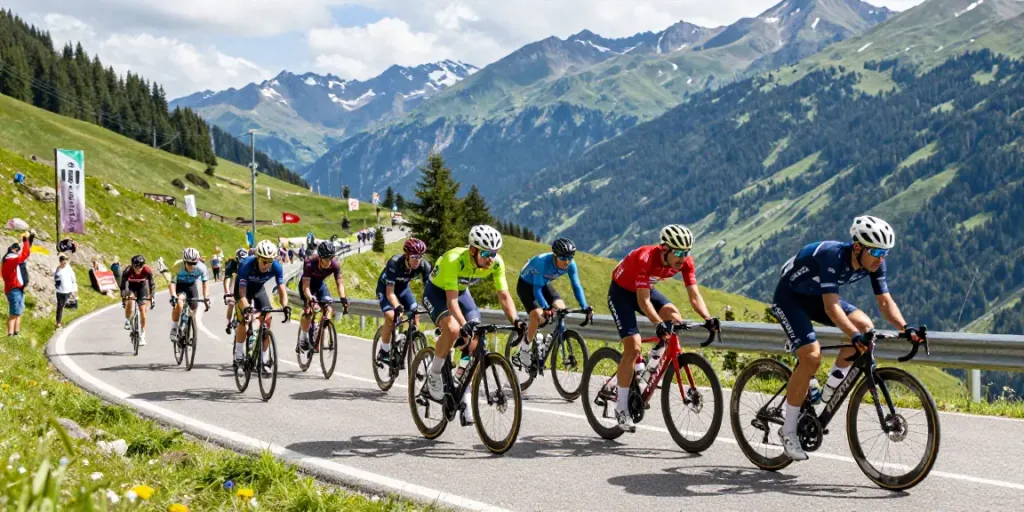
Ciclismo su strada, or road cycling, is more than just a sport; it is a multifaceted activity that combines competition, fitness, and camaraderie among enthusiasts and professionals alike. With its growing popularity globally, particularly in Europe, this discipline of cycling attracts many riders ranging from casual cyclists to elite racers. The appeal lies in the thrill of racing against the clock on open roads or navigating challenging terrains, all while enjoying the beautiful landscapes. As we delve deeper into the world of ciclismo su strada, we will explore its rich history, benefits, and various forms.
For those interested in learning more about the sport, ciclismo su strada offers a wealth of resources to get started or enhance your cycling journey.
Definition and History of Ciclismo su Strada
The term ciclismo su strada refers to competitive cycling held on paved surfaces, typically involving mass-start races or time trials. Its origins trace back to the late 19th century in Europe, where long-distance races began to emerge. The first recorded race took place in France in 1868, leading to the establishment of various prominent events, including the Tour de France, which has become synonymous with endurance and strategy on two wheels.
Popular Types of Road Cycling
Ciclismo su strada encompasses several styles, including:
- Road Racing: Featuring mass start races, this is the most popular form, including famous events like the Giro d'Italia and the Vuelta a España.
- Time Trials: Individual races against the clock, where cyclists strive for the fastest time.
- Criterium Racing: Short, fast-paced races typically held on closed circuits, emphasizing speed and strategy.
- Gran Fondos: Long-distance rides that often attract amateur riders looking for a challenging experience.
Benefits of Participating in Ciclismo su Strada
Engaging in ciclismo su strada provides numerous advantages, including:
- Physical Health: Cycling improves cardiovascular fitness, builds muscle tone, and aids in weight management.
- Mental Well-being: Riding outdoors can enhance mood and reduce stress, creating a sense of freedom and adventure.
- Community Engagement: Cyclists often participate in local clubs and events, fostering friendships and a sense of belonging.
- Goal Setting: Training for races encourages discipline and provides tangible goals for personal growth.
Selecting the Right Gear for Ciclismo su Strada
Choosing the right equipment is crucial for an enjoyable and efficient cycling experience. From beginners to seasoned cyclists, selecting appropriate gear can enhance performance and safety on the road. Here’s a breakdown of essential gear considerations:
Essential Equipment for Beginners
New cyclists should focus on acquiring basic gear that will provide comfort and safety. Key items include:
- Road Bike: A lightweight bike with thin tires and hand brakes is ideal for road cycling.
- Helmet: Always wear a certified cycling helmet to protect against head injuries.
- Clothing: Moisture-wicking clothing designed for cycling will enhance comfort during rides.
- Water Bottles: Stay hydrated with easy-to-reach water bottles mounted on the bike.
Advanced Gear for Competitive Cyclists
For those who wish to take their cycling to the next level, advanced gear offers significant performance benefits:
- Carbon Fiber Bikes: These bikes are lighter and stiffer, translating to better power transfer.
- Clipless Pedals: Allow for a more efficient pedal stroke and better control.
- Aerodynamic Helmets: Improve speed through reduced wind resistance.
- Power Meters: Help track performance and manage training intensity.
Common Mistakes When Buying Cycling Gear
When purchasing cycling equipment, avoid these common pitfalls:
- Ignoring Fit: Always prioritize the fit of the bike and gear over brand or aesthetics.
- Underestimating Accessories: Essential accessories like lights, bike locks, and repair kits are often overlooked but crucial for safety.
- Skimping on Quality: Investing in quality gear can save money in the long run as it typically lasts longer.
Training Strategies for Ciclismo su Strada
Effective training is the backbone of any successful cyclist. A well-structured training plan can help maximize performance and endurance:
Structured Training Plans for Races
Whether preparing for a local race or a major competition, a structured training plan should include:
- Endurance Rides: Long rides at a steady pace help build aerobic capacity.
- Interval Training: Short bursts of high-intensity effort followed by recovery periods increase speed and power.
- Rest Days: Scheduled rest is critical to avoid burnout and injury.
Nutrition Tips for Endurance Cyclists
Proper nutrition plays a critical role in a cyclist’s performance. Focus on:
- Carbohydrates: These should be the foundation of your diet for energy.
- Protein: Important for recovery and muscle repair post-ride.
- Hydration: Drink plenty of fluids before, during, and after rides to maintain performance.
Dealing with Common Training Challenges
Cyclists often face various challenges, including:
- Injury: Pay attention to body signals and seek help from professionals if necessary.
- Motivation: Setting smaller, achievable goals can keep enthusiasm high.
- Weather Conditions: Learn to adapt training to different weather scenarios by incorporating indoor cycling sessions.
Safety and Maintenance in Ciclismo su Strada
Ensuring safety on the road extends beyond just wearing a helmet; it includes being aware of your surroundings and maintaining your gear:
Importance of Proper Bike Maintenance
Regular maintenance keeps your bike in top condition. Key maintenance tasks include:
- Tire Pressure Checks: Properly inflated tires enhance performance and safety.
- Brake Functionality: Ensure brakes are responsive to avoid accidents.
- Chain Lubrication: A well-lubricated chain extends the life of your bike and optimizes performance.
Safety Gear Every Cyclist Needs
In addition to a helmet, consider the following safety gear:
- Reflective Clothing: Increases visibility to drivers, especially in low-light conditions.
- Lights: Front and rear lights are essential for evening and early morning rides.
- First Aid Kit: Always carry basic first aid supplies for emergencies.
Understanding Road Cycling Regulations
Cyclists must be aware of local laws regarding road use. Common regulations include:
- Riding on the Right: In many regions, cyclists must ride with traffic.
- Using Bike Lanes: When available, cyclists should use designated bike paths.
- Obeying Traffic Signals: Just like vehicles, cyclists must adhere to stop signs and traffic signals.
Future Trends in Ciclismo su Strada (2026 and Beyond)
The future of ciclismo su strada is poised for exciting developments. As technology advances, cyclists can expect enhancements that will change how they train and compete:
Emerging Technologies in Cycling
Innovations such as power-assisted bicycles and wearable technology will likely revolutionize the sport:
- Smart Helmets: Equipped with Bluetooth and navigation aids, these helmets enhance communication and safety.
- Virtual Reality Training: Cyclists can simulate various terrains from the comfort of their homes.
- Performance Tracking Apps: New applications will provide real-time data on speed, power output, and heart rate.
Sustainability Trends in Ciclismo su Strada
As environmental concerns grow, sustainability is becoming a priority within the cycling community:
- Eco-Friendly Gear: Brands are increasingly focusing on sustainable materials and practices in their production.
- Bike Sharing Programs: Urban areas are promoting bike-sharing initiatives to reduce traffic congestion and pollution.
Predictions for Upcoming Cycling Events
With the 2026 season approaching, we can anticipate exciting events, including:
- World Championships: Expected to attract top talent and fierce competition.
- Grand Tours: Events like the Tour de France will continue to draw massive audiences and sponsorships.
Conclusion
As we look toward the future of ciclismo su strada, the growth of this sport offers opportunities for increased participation and innovation. With the right gear, training, and awareness of safety and maintenance practices, cyclists can enjoy a rewarding experience on the road. Whether you’re gearing up for competitive racing or a leisurely ride, the passion for cycling remains a common thread that unites all who embrace this incredible sport.